

Cryopreserved vial of HepG2 hepatocellular carcinoma cells (~500,000 cells)
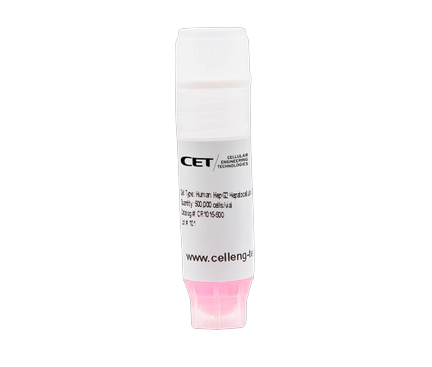
HepG2 is a human cell line isolated from a hepatocellular carcinoma of 14 year old male donor. HepG2 cells are used in a wide range of studies, from the oncogenesis to the cytoxicity of substances on the liver
These cells can be used for (i) the study of carcinogenesis as a surrogate for liver toxicity, (ii) the analysis of signaling events, (iii) molecular biology and (iv) protein- based assays. These immortalized hepatic cell lines can be used in place of biopsies for research purposes.
These HepG2 cells are homogenous and grow robustly in cell culture. Vial contains approximately 500,000 cells. Shipped with dry ice.
- Immortalized cell line used as an in vitro model system for liver disease research
- A versatile tool in the fields of hepatology, toxicology and pharmacology
- Typically used to investigate liver diseases caused by incorrect subcellular distribution of cell surface proteins
- Nontumorigenic cells can be conditioned or engineered for mediated cell death
Key Research Applications
- Liver Disease Modeling
- Liver Toxicology Studies
- Cancer Research
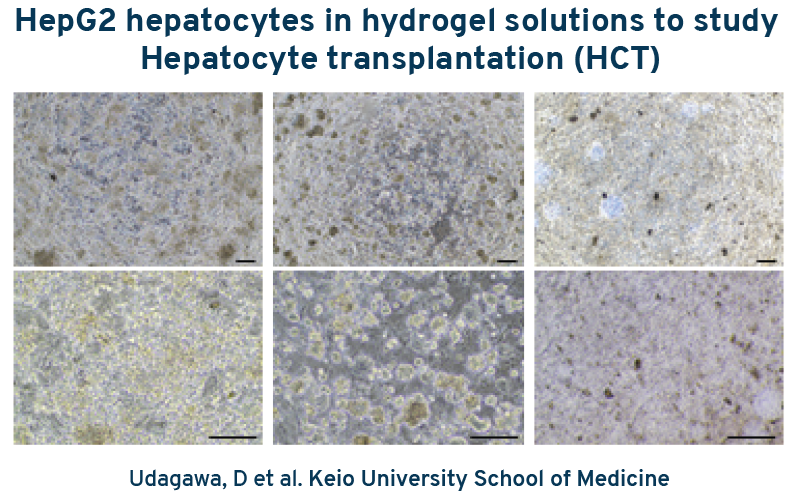
- Regenerative Medicine
Cell Characteristics
| Property | Details |
|---|---|
| Growth Properties | Adherent |
| Donor Age | 14 years old |
| Ethnicity | Caucasian |
| Gender | Male |
| Karyotype | Modal number = 55 (range = 50 to 60); has a rearranged chromosome |
| Tumorigenic | No; No, in immunosuppressed mice; Yes, in semisolid medium |
| Genes Expressed | alpha-fetoprotein (AFP); albumin; alpha2 macroglobulin; alpha1 antitrypsin; transferrin; alpha1 antichymotrypsin; haptoglobin; ceruloplasmin; plasminogen; complement (C4); C3 activator; fibrinogen; alpha1 acid glycoprotein; alpha2 HS glycoprotein; beta lipoprotein; retinol binding protein |
| Expression Markers | Insulin; insulin-like growth factor II (IGF II) |
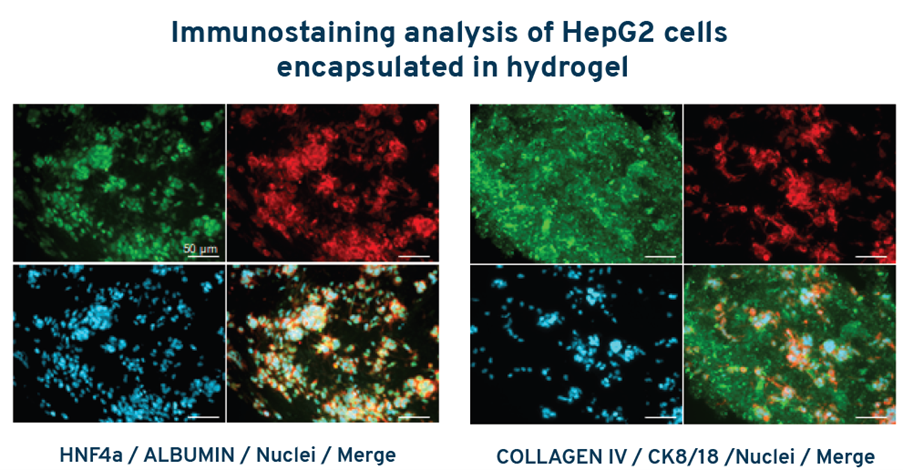
HepG2 carcinoma cells from CET are used as positive control cell lines to study liver cell surface protein interactions in disease modeling, such as non- alcoholic fatty liver disease, and cell-to-cell signaling in engraftment and angiogenesis applications.
| Stability & Storage | Temperature | Storage Time |
|---|---|---|
| Human HepG2 Hepatocellular Cells | -80°C (preferably in the vapor phase of a liquid nitrogen storage unit) | 12 months |
| Human HepG2 Hepatocellular Carcinoma Expansion Media (not included) | 4°C | 3 months |
| Complete Media (see Media Formulation Instructions) | 2-8°C | Not applicable |
Avoid repeated freeze-thaw cycles for cells. Avoid repeated exposure to room temperature and light for medias.